


Introduction
As one of the industries with the strictest regulatory requirements worldwide, the importance of drug labels in the pharmaceutical sector is fully on par with the core status of drug quality and safety itself. Compliant drug labels not only help manufacturers meet regulatory requirements across different countries, but also safeguard patient medication safety across the full supply chain, and maintain trust between upstream and downstream stakeholders in the healthcare supply chain. Clarity, accuracy, and legality are the fundamental baseline standards that all compliant labels must meet.
Both the U.S. Food and Drug Administration (FDA) and the World Health Organization (WHO) have issued strict drug packaging regulations, whose core goal is to ensure that drugs are identifiable and traceable, building a solid defensive barrier for medication safety from the regulatory perspective. These regulations also position drug labels as the core communication tool that links manufacturers, medical personnel, regulators, and patients.
If a drug label is non-compliant, manufacturers will face five specific negative outcomes:
- Product recalls
- Regulatory penalties
- Patient safety risks
- Supply chain disruptions
- Damage to brand reputation
They may also incur substantial additional waste costs.
The core positioning of this guide is to sort out the core compliance requirements that pharmaceutical manufacturers must follow when developing and managing drug labels.
The core drug label compliance checklist introduced here includes four actionable inspection modules, in the following order:
- Verifying applicable regulatory requirements
- Ensuring accurate product identification
- Confirming complete ingredient information
- Including safety and usage information
The final module reserves space for future content expansion.
This guide consistently frames label compliance as a core operational bottom line that all pharmaceutical manufacturers must uphold. Clear drug label communication can effectively reduce medication errors and improve overall treatment outcomes.
As a drug label compliance guide for pharmaceutical companies, this document designates drug manufacturers as the responsible entities for implementing all outlined compliance requirements.
GMP-Compliant Label Process
We break down the full-process implementation requirements into standardized modules to enable enterprises to advance rollout quickly.
First is the GMP-compliant label process, which must meet GMP standard requirements, implement four core tasks:
- Label verification
- Compliance audits
- Document review
- Quality testing
It must also establish a written workflow with clearly defined boundaries for responsibilities and approval procedures.
Label Artwork and Change Management
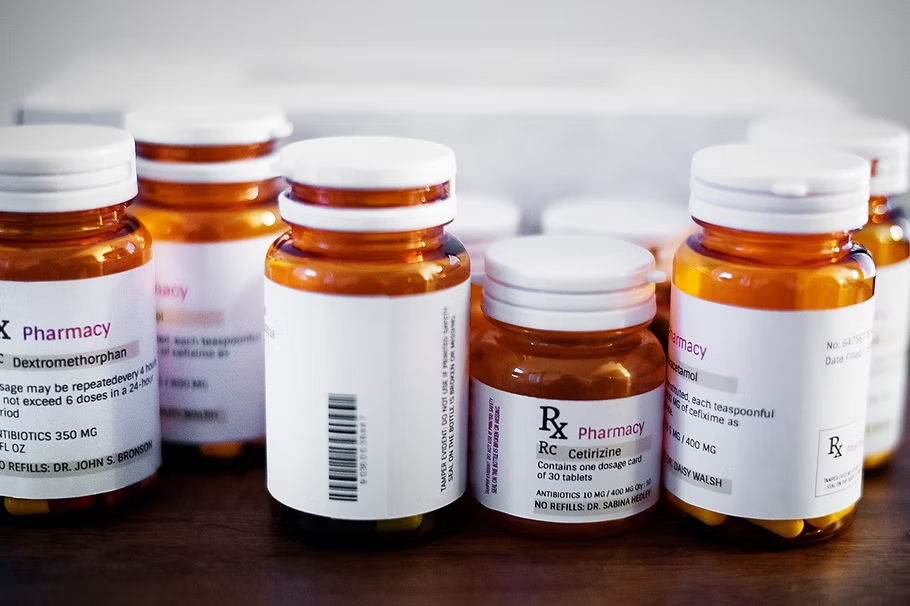
Second is label artwork and change management.
For the three common trigger scenarios for label changes, namely:
- Regulatory updates
- Formulation adjustments
- Packaging modifications
Implement four mechanisms:
- Packaging artwork approval
- Document retention
- Change control
- Version tracking and archiving
This helps ensure label consistency meets regulatory expectations.
Serialization and Traceability Requirements
Next are serialization and traceability requirements.
In response to global regulators’ focus on product authentication and supply chain visibility, implement:
- Serialization compliance measures
- Aggregation systems
- Traceability technologies
- GS1-standard-compliant barcode labels
These measures deliver the benefits of counterfeit prevention and optimized product recalls.
Product Safety Strengthening
Next, advance product safety strengthening.
To address the widespread global challenge of counterfeit drugs, adopt dedicated:
- Tamper-proof security labels
- Anti-counterfeiting security labels
Label Printing and Inspection Optimization
For label printing and inspection optimization, use pharmaceutical-specific printing equipment and automated inspection systems to guarantee printing accuracy.
Multilingual Label Requirements
Multilingual labels must, before product distribution:
- Confirm translation accuracy
- Obtain approval from the regulatory team
- Ensure all packaging content is consistent
This helps meet the global operational needs of multinational pharmaceutical companies.
Clinical Trial Label Workflow
Finally, as an additional requirement, investigational products for research must be supported by a dedicated clinical trial label workflow.
As a compliance operations guide for the pharmaceutical industry, the core stance of this material is to guide pharmaceutical companies to implement clinical trial labeling compliance requirements across their full end-to-end workflow.
For Indian pharmaceutical enterprises that are currently seeking compliant labeling suppliers, they must first, before launching clinical trials, clarify the five core categories of content that all clinical trial labels must include.
All labels must simultaneously meet the core criteria of:
- Adapting to all relevant regulatory requirements
- Safeguarding research integrity
Supplier Selection and Long-Term Compliance
Compliance can then be advanced through two core modules:
Qualified Supplier Screening
This requires a comprehensive assessment completed against six core dimensions.
Long-Term Compliance Implementation
This requires the execution of six fixed standard actions.
The entire process must cover core regulatory requirements including:
- U.S. FDA pharmaceutical labeling regulations
- GMP requirements for pharmaceutical labeling
- Serialization compliance
- Product traceability
Enterprises must also align with both India’s local and international regulatory rules.
Conclusion
This full end-to-end set of requirements can help companies reduce compliance risks, improve operational efficiency, and achieve sustained compliance throughout the entire product lifecycle.